


News

Pit Bike Tyre Sizes Explained | UK Buying Guide
Why getting your pit bike tyre size right matters Whether you're replacing a worn rear tyre, repairing a puncture or upgrading your pit bike's wheels, understanding tyre sizes can save you time, money and frustration. One of the most common sources of confusion for pit bike owners is the difference between wheel sizes, tyre measurements and the familiar combinations such as 14/12 and 17/14. Buy the wrong tyre and you could find it doesn't fit your wheel, has insufficient clearance or isn't suitable for your riding conditions. At Quad Warehouse, we stock pit bikes, dirt bikes and replacement components, so we've put together this practical guide to help you understand exactly what to look for. 1. What do pit bike wheel sizes actually mean? You will often see pit bikes advertised with wheel configurations such as 10/10, 12/10, 14/12 and 17/14. These numbers refer to the nominal wheel rim diameters in inches, with the front measurement first and rear measurement second. These configurations are commonly found across different pit bike categories, although suitability depends on the specific model and manufacturer's design. For example, a 14/12 configuration means the pit bike has a 14-inch front rim and a 12-inch rear rim. Important: These measurements refer to the rim diameters, not the overall external diameter of the tyres. 2. How to Read the Numbers on a Pit Bike Tyre Understanding the markings printed on your tyre's sidewall is one of the easiest ways to identify a suitable replacement. For example, you might see: 80/100-12 Here's what those numbers mean: 80: The nominal tyre width in millimetres. 100: The aspect ratio, expressed as a percentage of the tyre's width. 12: The nominal wheel rim diameter in inches. Other tyres use different marking systems, including measurements such as 3.00-12. These formats aren't automatically interchangeable. Always check the complete tyre specification and the manufacturer's recommendations before purchasing. 3. Can You Fit a Bigger Tyre to Your Pit Bike? It's tempting to think a larger or wider tyre will automatically improve performance. However, increasing tyre size can create several problems. A tyre that's too large could rub against the swingarm, forks, chain or mudguards. It may also change your bike's handling characteristics and effective gearing. Before upgrading, consider: Available clearance around the wheels. Compatibility with the existing wheel rims. Manufacturer-recommended tyre dimensions. Changes to handling and overall wheel diameter. Whether the tyre is appropriate for your riding conditions. Our advice: Unless you've confirmed that an alternative size is suitable, replace your tyres with the manufacturer's recommended specification. 4. Choosing the Right Pit Bike Tyres for Different Terrain Not all off-road tyres are designed for the same conditions. The tread pattern can influence how effectively a tyre grips different surfaces and clears loose material. Soft and Muddy Ground Tyres designed for softer ground often feature more widely spaced tread blocks. These can help clear mud and provide traction when riding over loose or wet terrain. Hard-Packed Ground For firmer surfaces, tyres designed specifically for hard terrain typically use tread patterns and rubber compounds suited to more compact ground. Choosing an appropriate tyre can improve durability and help maintain predictable handling. Mixed Off-Road Conditions If you ride across different types of permitted off-road terrain, an intermediate-terrain tyre may offer a useful compromise. Always make sure the tyre is suitable for your particular pit bike and intended riding conditions. 5. Five Signs Your Pit Bike Tyres Need Replacing Even if your pit bike isn't ridden every weekend, its tyres should still be inspected regularly. Here are five warning signs worth looking out for. 1. Worn or damaged tread blocks Reduced or uneven tread can affect traction and control, particularly on loose ground. 2. Cracks in the rubber Cracking around the sidewalls or tread may indicate that the rubber is ageing or deteriorating. 3. Repeated loss of tyre pressure Frequent pressure loss could indicate a puncture, damaged valve or another issue that requires attention. 4. Bulges or exposed reinforcement These may indicate structural damage. A tyre showing these symptoms should not be ridden. 5. Unusual vibration or handling changes Unexpected vibration or changes in how the bike handles may indicate a problem with the tyres, wheels or another mechanical component. If you suspect a tyre is unsafe, stop riding until the problem has been properly assessed and resolved. 6. Should You Replace Your Inner Tube at the Same Time? Many pit bike tyre and wheel combinations use inner tubes, although this isn't universal. When changing a tyre, it's worth inspecting the existing tube, valve and rim protection. An old or damaged inner tube could cause another puncture shortly after fitting a new tyre. If you need a replacement, check: The correct tube dimensions. Compatibility with your tyre. The valve type. The condition of the wheel rim. The manufacturer's fitting recommendations. Using the correct parts and following appropriate fitting procedures can help avoid unnecessary problems. 7. Where to Buy Replacement Pit Bike Tyres in the UK Finding the right replacement starts with identifying your bike and its existing tyre specifications. Before ordering, make sure you know: Your pit bike's make and model. The tyre dimensions printed on the sidewall. Whether you need a front or rear tyre. Your wheel rim diameter. The required tyre construction and ratings. Whether you also need an inner tube or additional components. At Quad Warehouse, we offer a range of off-road bikes, accessories and replacement components to help keep your machine ready for action. Whether you're carrying out routine maintenance or repairing your pit bike after a puncture, choosing the correct components is essential. Explore Quad Warehouse Products Frequently Asked Questions About Pit Bike Tyres What does 14/12 mean on a pit bike? A 14/12 pit bike has a nominal 14-inch front wheel rim and a nominal 12-inch rear wheel rim. These measurements refer to the rim diameters rather than the full external tyre diameters. Will any 12-inch tyre fit a 12-inch pit bike wheel? No. Wheel diameter is only one measurement. You also need to check tyre width, rim compatibility, construction, load ratings and the manufacturer's recommended specifications. Are pit bike tyres tubeless? Some tyre and wheel combinations support tubeless fitment, but many pit bikes use inner tubes. Always check your specific wheel and tyre specifications before purchasing replacement components. How often should pit bike tyres be replaced? There's no universal replacement interval. Tyre wear depends on riding frequency, terrain, storage conditions and maintenance. Regular inspections will help you identify when a replacement is necessary. Can you use off-road pit bike tyres on public roads? Only if the tyres are road-legal and the bike and rider meet all applicable road-use requirements. Most off-road pit bikes are not designed or approved for public-road use. Keep Your Pit Bike Ready for the Next Ride The right tyres make a real difference to how your pit bike handles, grips and responds to changing terrain. Understanding the measurements, checking your existing tyres and choosing compatible replacements will help you maintain your machine properly. At Quad Warehouse, we're passionate about helping riders make the most of their off-road machines. From complete bikes to spare parts and accessories, we're here to help you prepare for your next adventure. Need replacement pit bike tyres or accessories? Visit Quad Warehouse and explore our range of bikes, parts and accessories. Quad Warehouse – Your Off-Road Adventure Starts Here!
Read moreNews

The 5-Minute Pre-Ride Safety Inspection for Dirt Bikes & Quads
Before you fire up the engine and head out onto the track, trail, or mud pit, there is one crucial step that separates a great day of riding from an expensive trip back on a tow strap: the pre-ride inspection. Whether you are tearing up loose dirt on a pit bike or navigating steep inclines on a quad bike, off-road machinery operates under extreme stress. Heavy impacts, persistent vibration, mud, and water can loosen hardware, wear out brake pads, or alter tire pressure faster than on-road riding ever could. A comprehensive quad bike pre ride inspection checklist takes just five minutes, but it drastically reduces your risk of breakdown or injury. Here is how to adapt the proven T-CLOC system specifically for off-road dirt bikes, quads, and pit bikes. The Off-Road T-CLOC Inspection MethodOriginally developed by the Motorcycle Safety Foundation for road bikes, the T-CLOC system (Tires, Controls, Lights, Oil, Chain/Chassis) is easily adapted for off-road vehicles. 1. T – Tires & WheelsOff-road grip depends entirely on tire health, but safety goes far beyond thread depth. Check Tire Pressure (PSI): Quad bikes are particularly sensitive to uneven tire pressure. If one rear tire is running 2–3 PSI lower than the other, the quad’s handling will pull dramatically during acceleration or cornering, significantly increasing the risk of a rollover on sharp turns or uneven trails. Inspect Rim and Bead Seals: Look for dented wheel rims, bent beadlocks, or debris wedged between the tire bead and rim that could cause a slow air leak during a ride. Spoke Tension (Dirt & Pit Bikes): Tap your dirt bike's wheel spokes with a small wrench. A loose spoke will produce a dull thud instead of a clear ringing sound. 2. C – Controls & BrakesIf your controls fail mid-jump or on a steep descent, you have zero margin for error. Dirt bike maintenance safety starts right here at the handlebars. Throttle Return Check: Twist the throttle full open and release it at full left, center, and full right handlebar lock. The throttle must snap back instantly to idle in all positions. A sticky throttle wire on a pit bike or dirt bike is a primary cause of runaway crashes. Brake Pad Wear & Lever Feel: Visually inspect the brake pads inside the caliper. If the friction material is thinner than 2mm, replace them before hitting aggressive trails. Squeeze the front and rear levers—if they feel spongy, air has entered the hydraulic lines or your brake fluid is low. 3. L – Lights, Tether & Kill SwitchElectrical safety checks are especially quick, but vital for emergency situations. Kill Switch Test: Start the engine and immediately hit the handlebar kill switch. The engine should shut off instantly. Tether Switches (ATVs & Quads): If your quad bike uses a wrist-tether kill switch, attach the lanyard and pull it firmly to verify it immediately kills the ignition. This prevents runaway quads if you are thrown from the machine. Lights: Ensure your headlight and brake lights are clean and operational, especially if you expect dusk or low-visibility woodland conditions. 4. O – Oil, Coolant & FluidsHigh-RPM off-road riding burns through engine fluids quickly under heavy engine load. Engine Oil Level: Check the sight glass or dipstick while the machine is on flat ground. Dark, burnt-smelling oil or low oil levels will lead to rapid engine seizure. Coolant & Brake Fluid: Inspect the coolant expansion tank and brake fluid reservoirs for proper levels and clear fluid color. Look for Leaks: Check under the crankcase, fork seals, and rear shock absorbers for fresh oil drips or weeping fluid. 5. C – Chain, Sprockets & ChassisAggressive track or trail riding subjects the drive line and frame to intense shock loads. Chain Tension & Lubrication: Measure chain slack according to your owner manual (typically 30–45mm of play). A chain that is too loose can derail and crack your engine casing, while a chain that is too tight restricts rear suspension travel and snaps under compression. Sprocket Tooth Wear: Look for hooked, thinned, or missing sprocket teeth. Chassis & Hardware Tightness: Give your handlebars, footpegs, axle nuts, and A-arm bolts a quick torque check. Off-road vibration frequently backs out un-torqued fasteners. Don't Let Worn Parts Ruin Your Ride DayPerforming a 5-minute pit bike safety check before every ride ensures small wear-and-tear items are caught before they turn into catastrophic mechanical failures out in the wild. If your pre-ride inspection turns up worn brake pads, a stretched chain, leaking seals, or rounded sprockets, don't compromise on safety. Keep your machine performing at its best by sourcing high-quality OEM and aftermarket parts from Quad Warehouse Spare Parts & Replacement Components. Stocking your toolbox with essential spare levers, brake pads, and fluids means you will never have to cancel a ride day again.
Read more
POPULAR
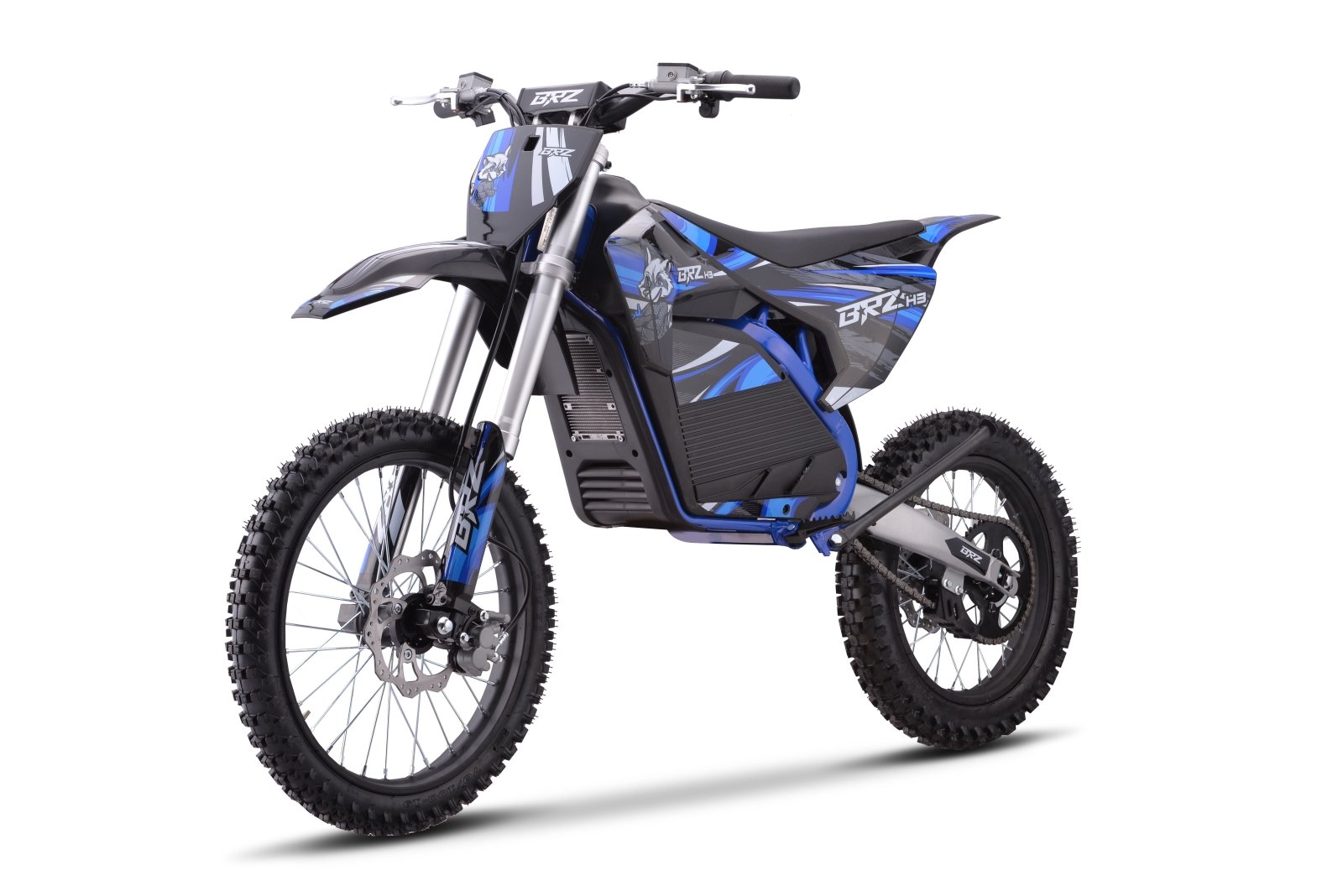
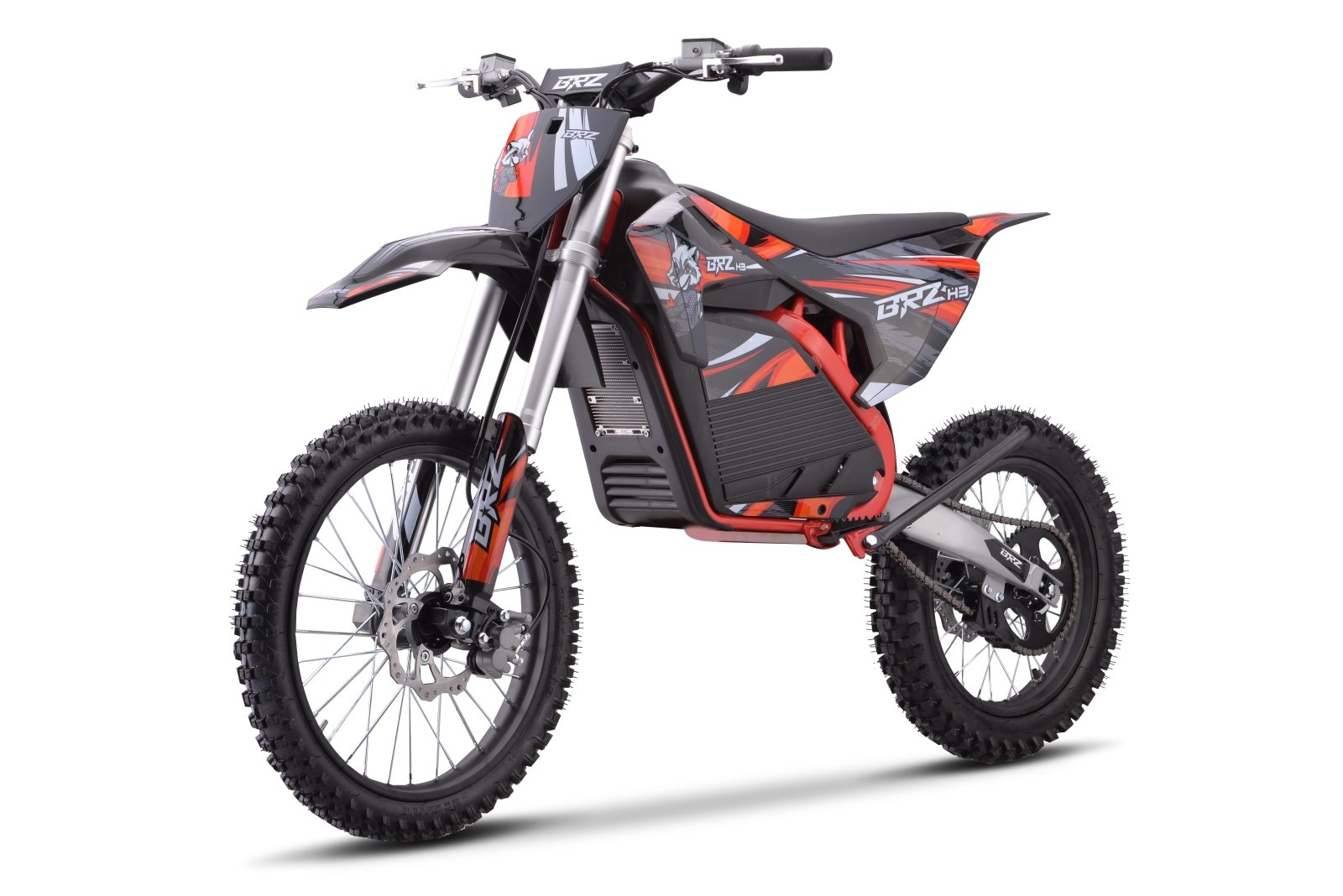
BRZ Neon Thunder Pro 72V 5000W Off-Road Electric Dirt Bike 19/16"

Choose your option
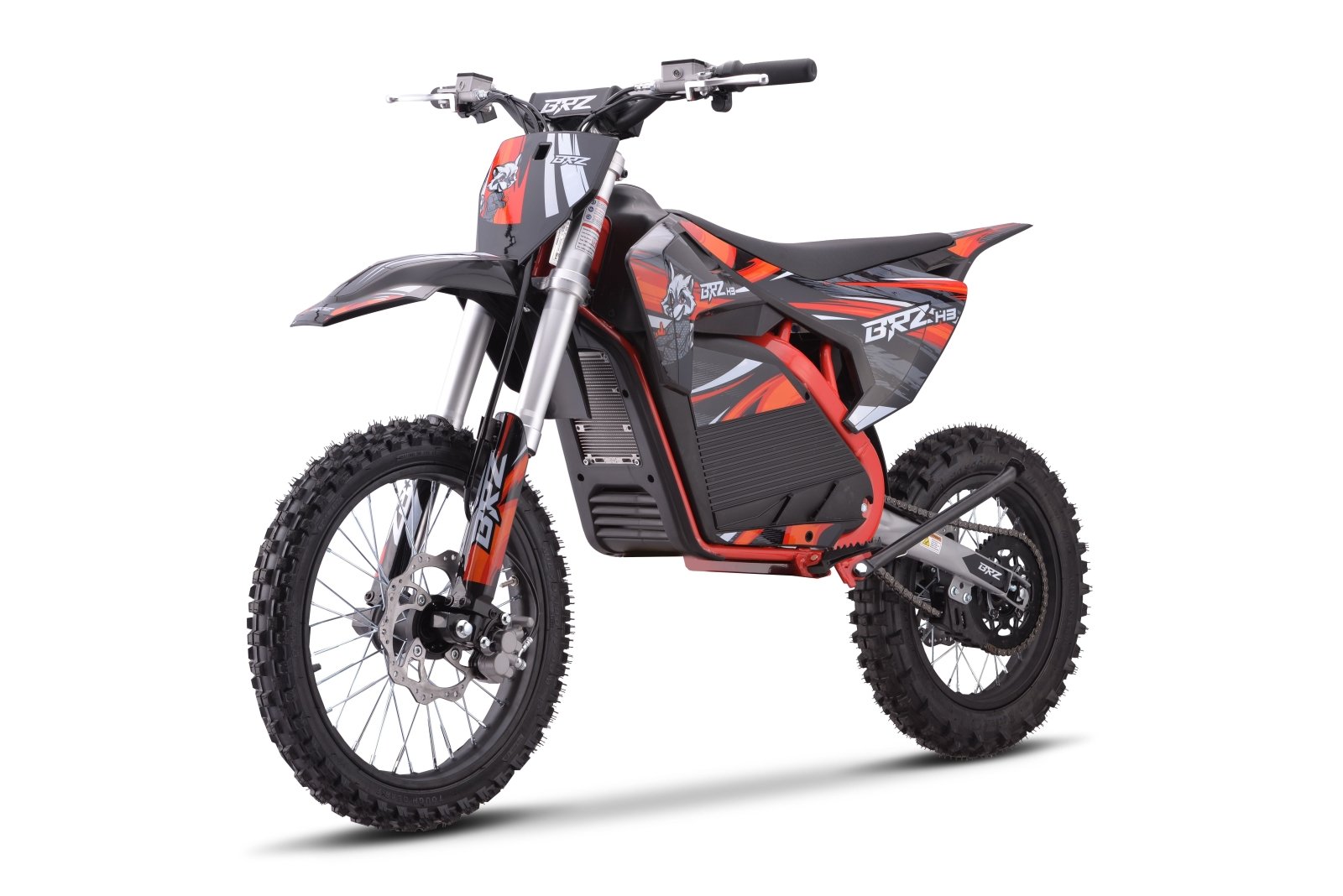
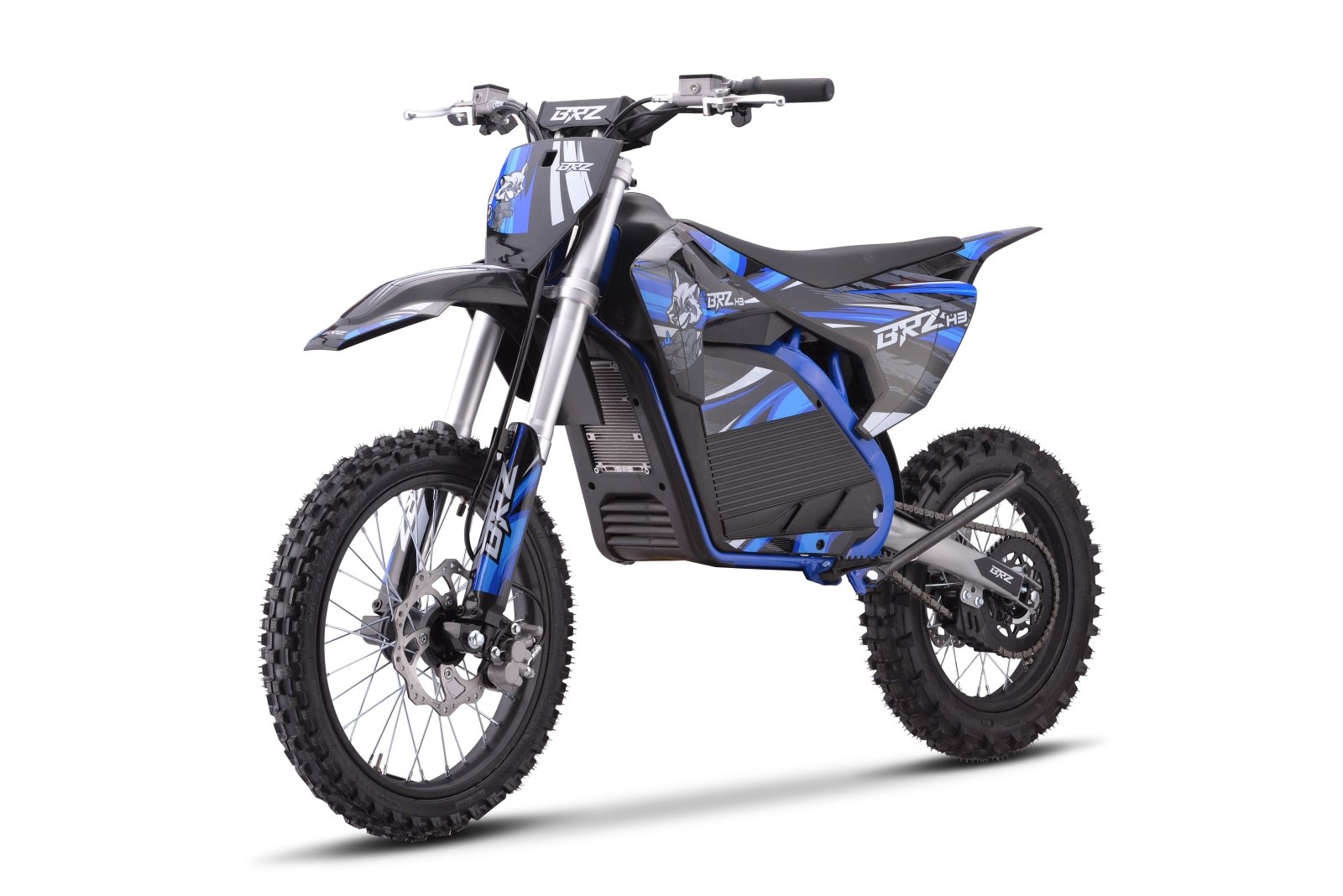
BRZ Neon Thunder Pro 72V 5000W Off-Road Electric Dirt Bike 17/14"

Choose your option
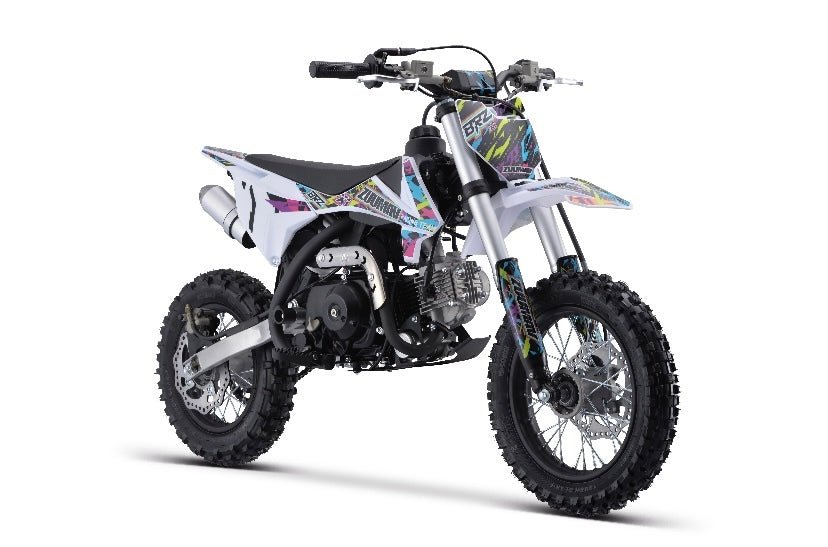
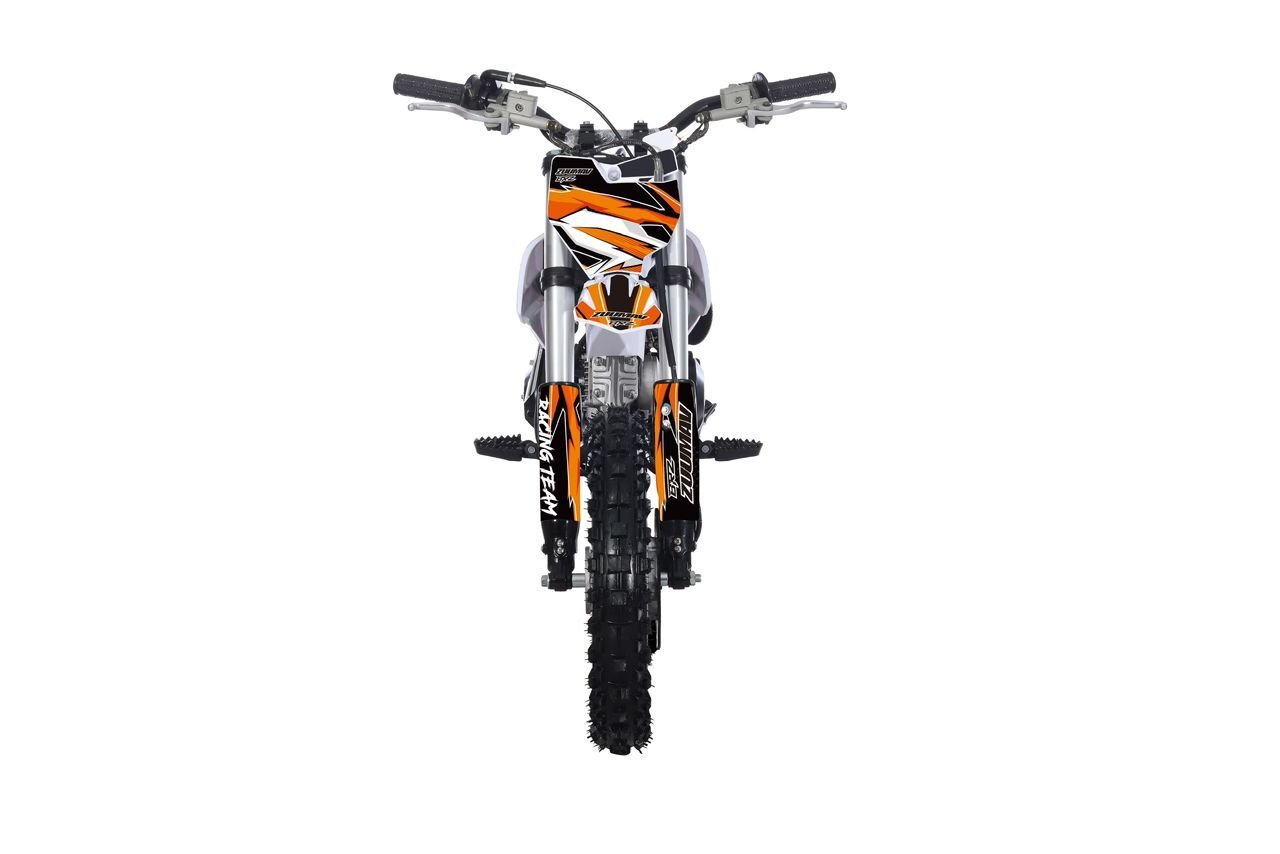
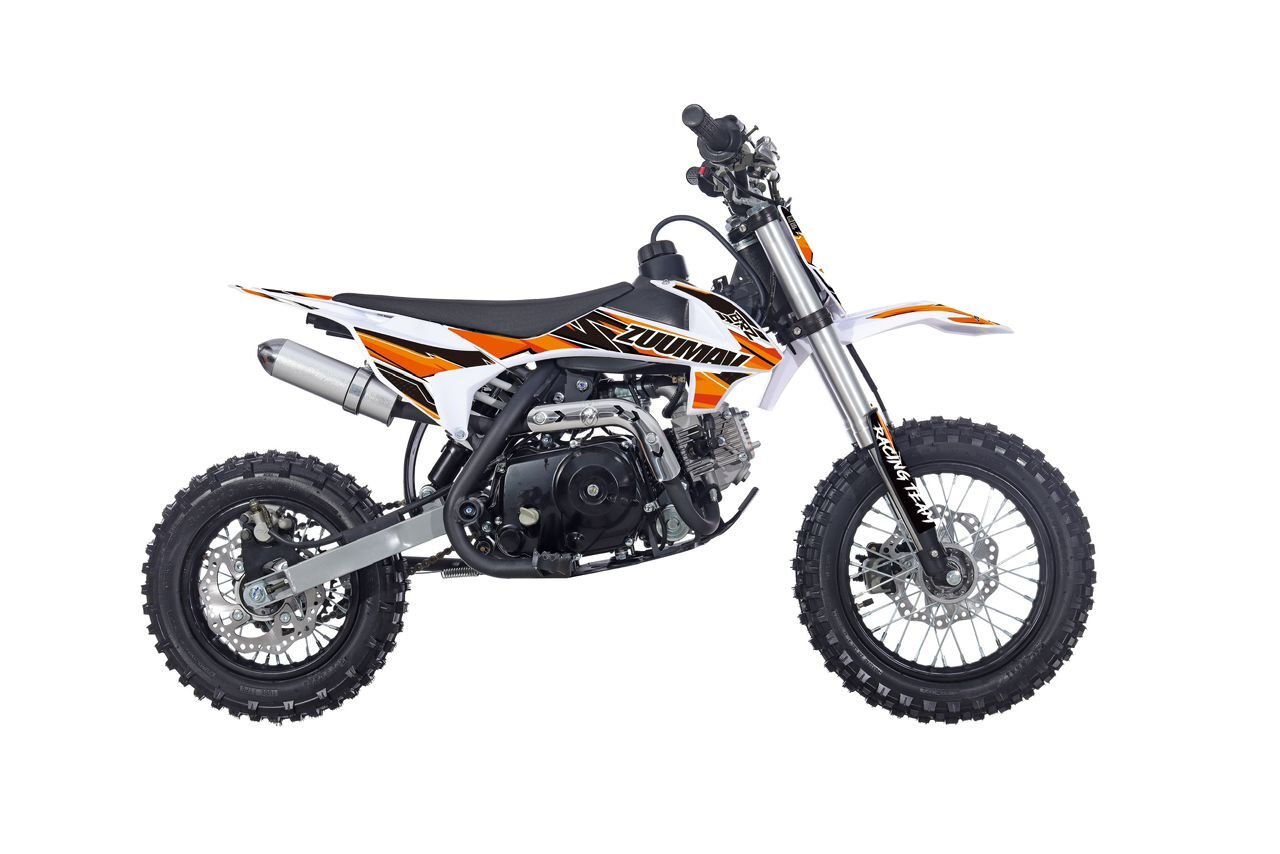
BRZ Kids 70cc Off-Road Dirt Bike Fully Automatic
Choose your option


BRZ 110cc Racing Team Pro Semi Auto Off-Road Pit Bike 14/12"


Choose your option
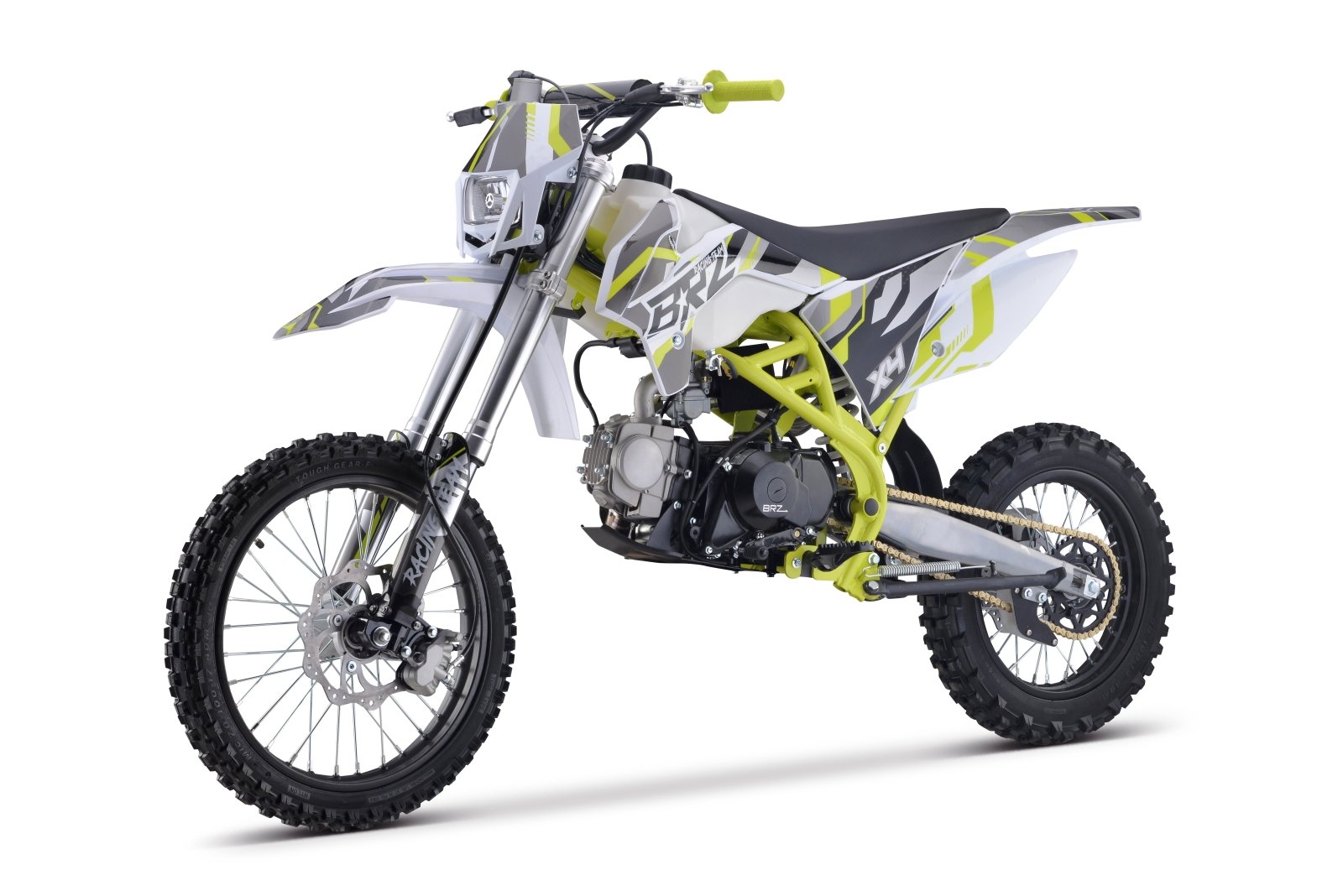
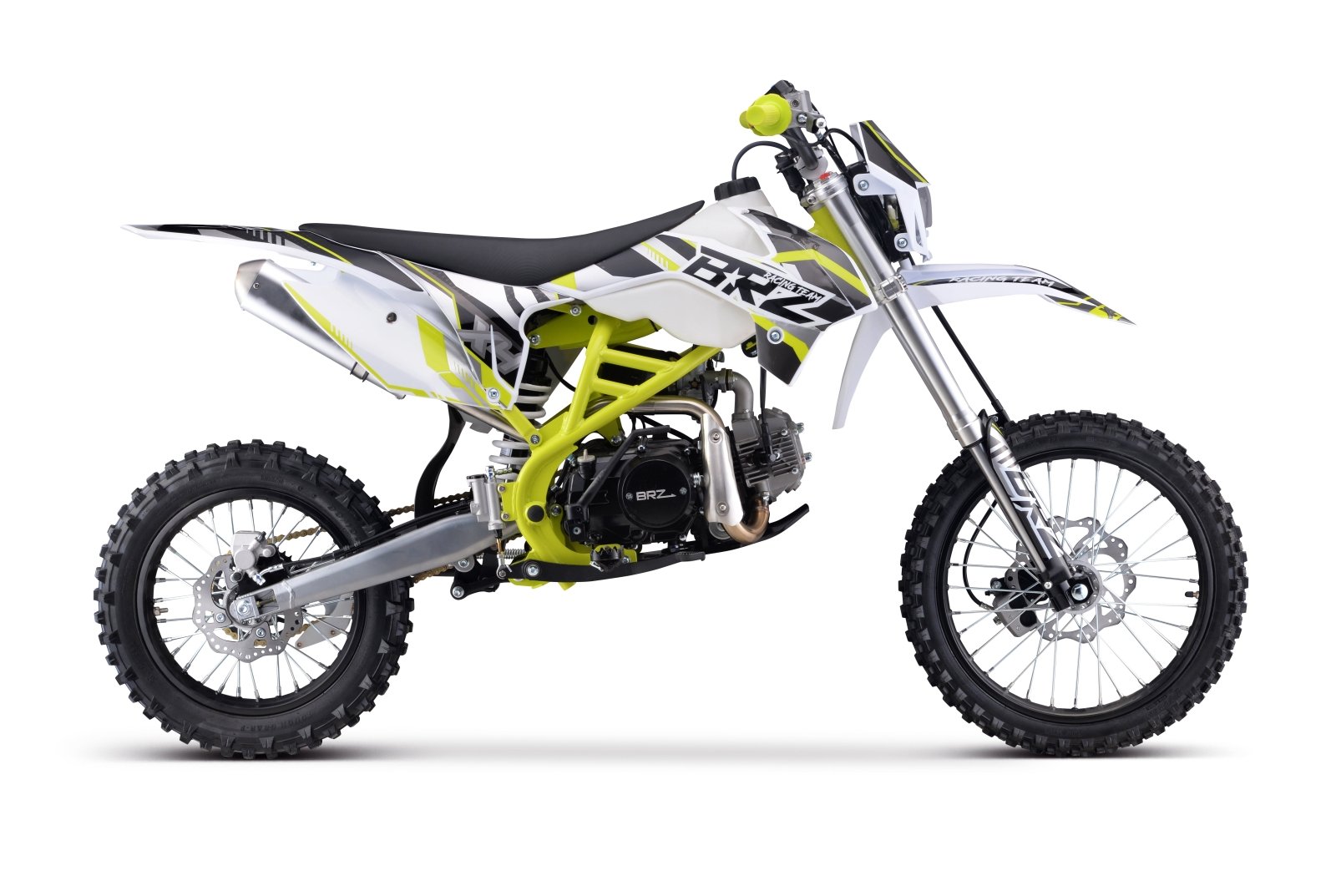
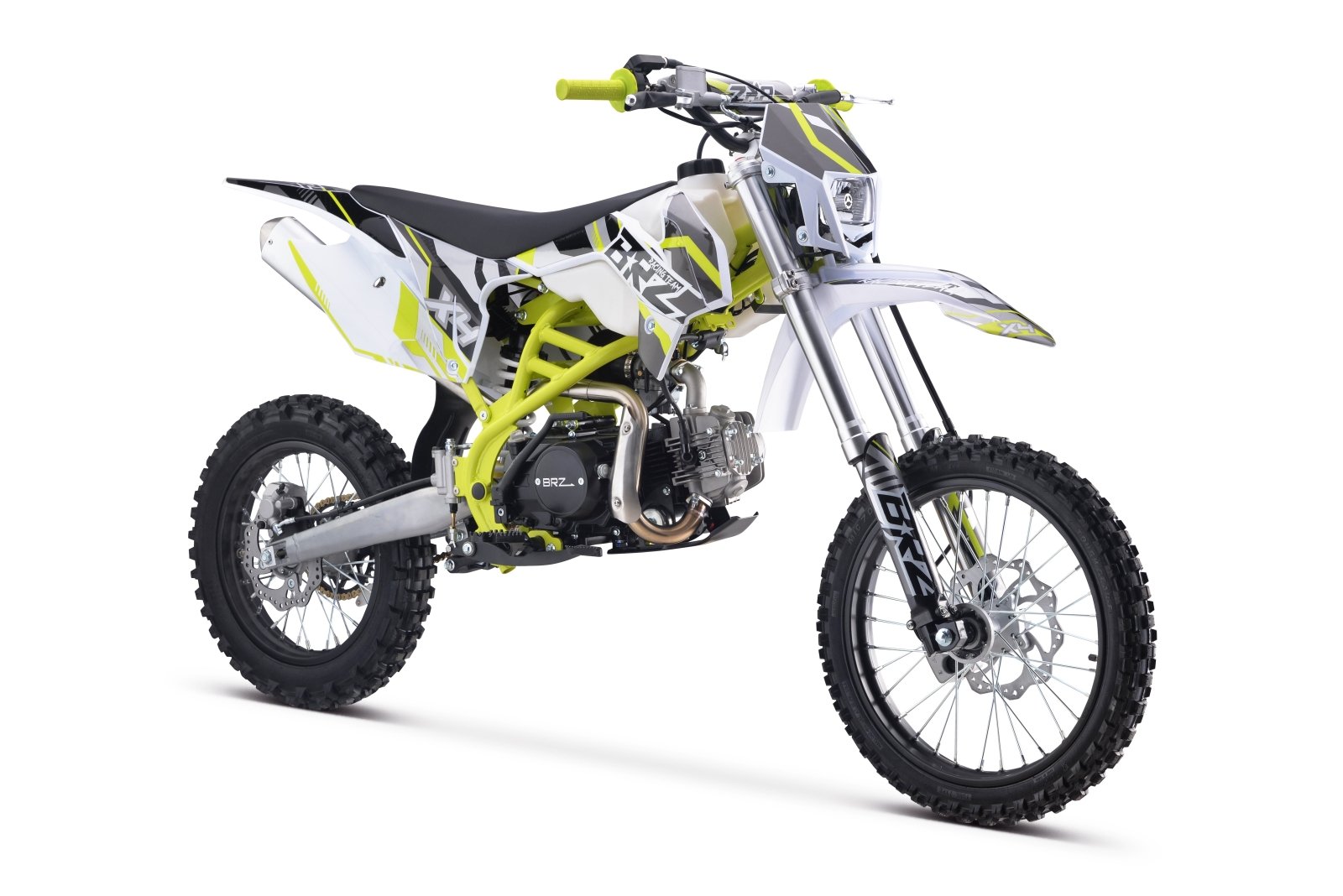
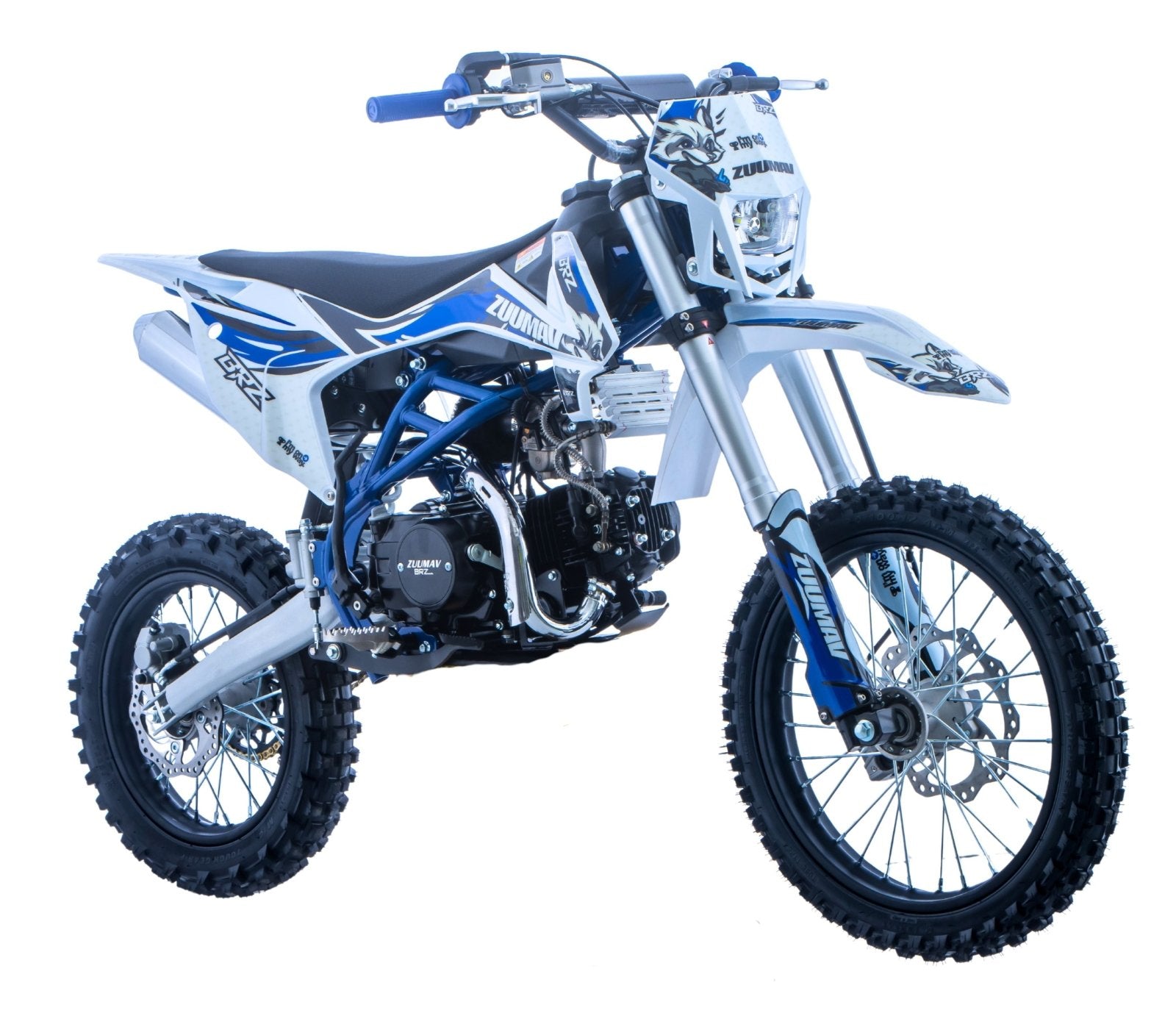
Junior/Adult BRZ Racing Pro 125cc Manual Dirt Bike 17/14” Big Wheel
Choose your option
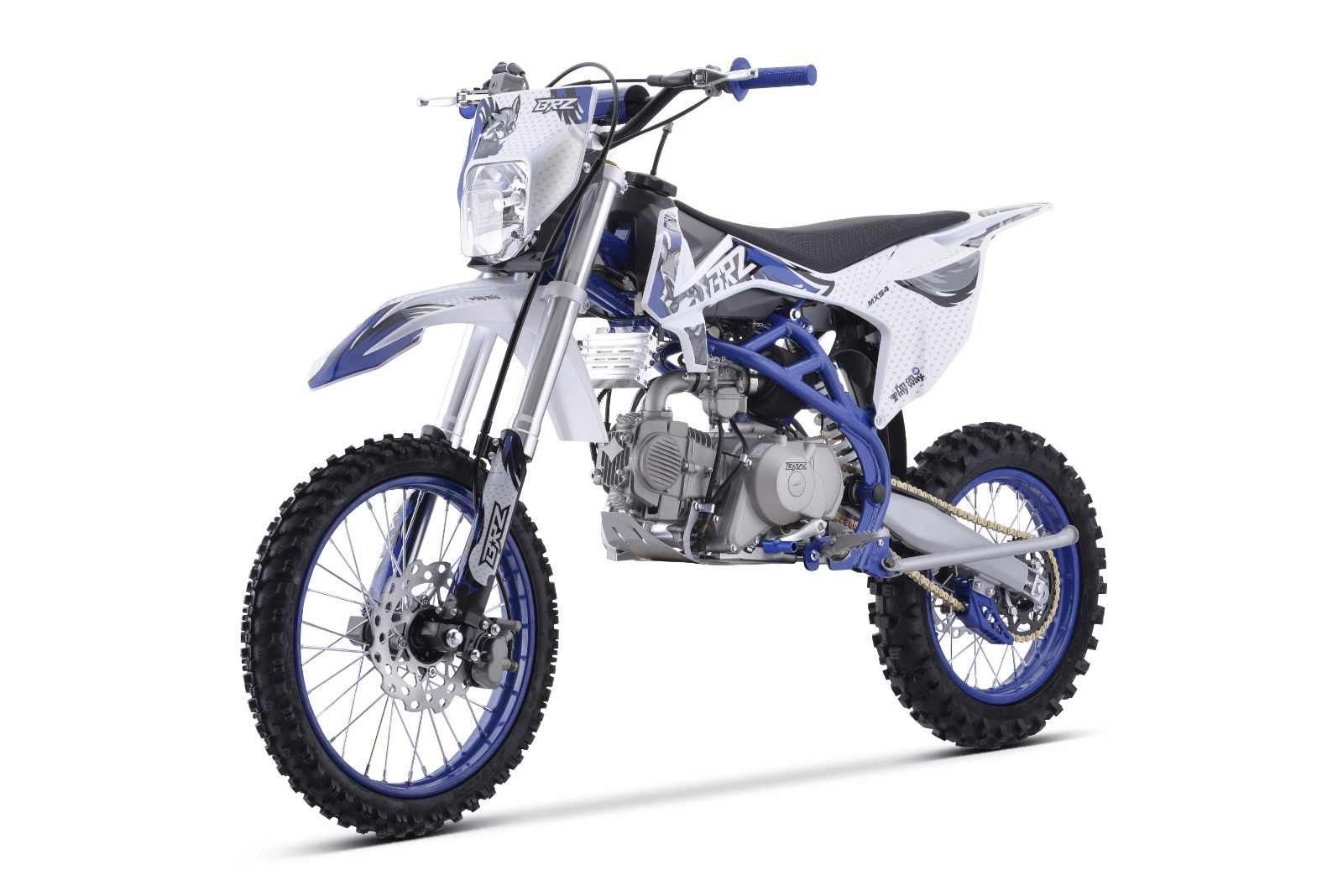
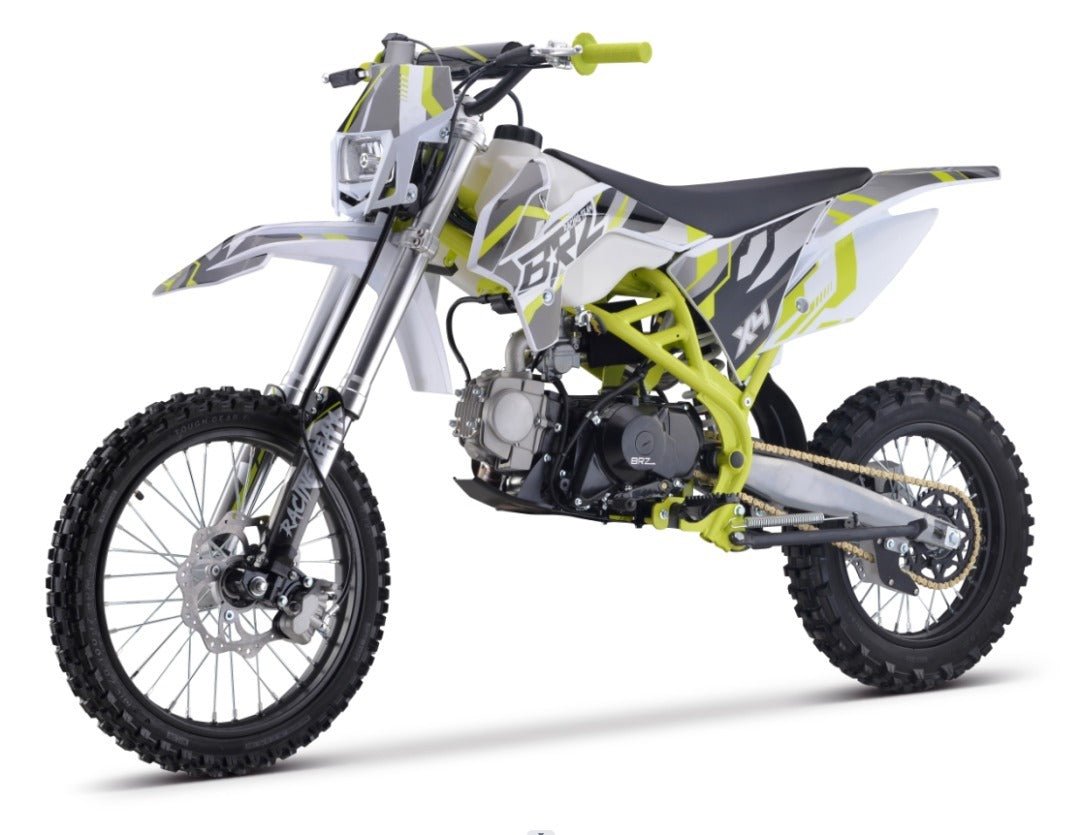
Junior/Adult BRZ Racing Pro 140cc Manual Dirt Bike 17/14" Big Wheel
Choose your option