

News

Pit Bike Tyre Sizes Explained | UK Buying Guide
Why getting your pit bike tyre size right matters Whether you're replacing a worn rear tyre, repairing a puncture or upgrading your pit bike's wheels, understanding tyre sizes can save you time, money and frustration. One of the most common sources of confusion for pit bike owners is the difference between wheel sizes, tyre measurements and the familiar combinations such as 14/12 and 17/14. Buy the wrong tyre and you could find it doesn't fit your wheel, has insufficient clearance or isn't suitable for your riding conditions. At Quad Warehouse, we stock pit bikes, dirt bikes and replacement components, so we've put together this practical guide to help you understand exactly what to look for. 1. What do pit bike wheel sizes actually mean? You will often see pit bikes advertised with wheel configurations such as 10/10, 12/10, 14/12 and 17/14. These numbers refer to the nominal wheel rim diameters in inches, with the front measurement first and rear measurement second. These configurations are commonly found across different pit bike categories, although suitability depends on the specific model and manufacturer's design. For example, a 14/12 configuration means the pit bike has a 14-inch front rim and a 12-inch rear rim. Important: These measurements refer to the rim diameters, not the overall external diameter of the tyres. 2. How to Read the Numbers on a Pit Bike Tyre Understanding the markings printed on your tyre's sidewall is one of the easiest ways to identify a suitable replacement. For example, you might see: 80/100-12 Here's what those numbers mean: 80: The nominal tyre width in millimetres. 100: The aspect ratio, expressed as a percentage of the tyre's width. 12: The nominal wheel rim diameter in inches. Other tyres use different marking systems, including measurements such as 3.00-12. These formats aren't automatically interchangeable. Always check the complete tyre specification and the manufacturer's recommendations before purchasing. 3. Can You Fit a Bigger Tyre to Your Pit Bike? It's tempting to think a larger or wider tyre will automatically improve performance. However, increasing tyre size can create several problems. A tyre that's too large could rub against the swingarm, forks, chain or mudguards. It may also change your bike's handling characteristics and effective gearing. Before upgrading, consider: Available clearance around the wheels. Compatibility with the existing wheel rims. Manufacturer-recommended tyre dimensions. Changes to handling and overall wheel diameter. Whether the tyre is appropriate for your riding conditions. Our advice: Unless you've confirmed that an alternative size is suitable, replace your tyres with the manufacturer's recommended specification. 4. Choosing the Right Pit Bike Tyres for Different Terrain Not all off-road tyres are designed for the same conditions. The tread pattern can influence how effectively a tyre grips different surfaces and clears loose material. Soft and Muddy Ground Tyres designed for softer ground often feature more widely spaced tread blocks. These can help clear mud and provide traction when riding over loose or wet terrain. Hard-Packed Ground For firmer surfaces, tyres designed specifically for hard terrain typically use tread patterns and rubber compounds suited to more compact ground. Choosing an appropriate tyre can improve durability and help maintain predictable handling. Mixed Off-Road Conditions If you ride across different types of permitted off-road terrain, an intermediate-terrain tyre may offer a useful compromise. Always make sure the tyre is suitable for your particular pit bike and intended riding conditions. 5. Five Signs Your Pit Bike Tyres Need Replacing Even if your pit bike isn't ridden every weekend, its tyres should still be inspected regularly. Here are five warning signs worth looking out for. 1. Worn or damaged tread blocks Reduced or uneven tread can affect traction and control, particularly on loose ground. 2. Cracks in the rubber Cracking around the sidewalls or tread may indicate that the rubber is ageing or deteriorating. 3. Repeated loss of tyre pressure Frequent pressure loss could indicate a puncture, damaged valve or another issue that requires attention. 4. Bulges or exposed reinforcement These may indicate structural damage. A tyre showing these symptoms should not be ridden. 5. Unusual vibration or handling changes Unexpected vibration or changes in how the bike handles may indicate a problem with the tyres, wheels or another mechanical component. If you suspect a tyre is unsafe, stop riding until the problem has been properly assessed and resolved. 6. Should You Replace Your Inner Tube at the Same Time? Many pit bike tyre and wheel combinations use inner tubes, although this isn't universal. When changing a tyre, it's worth inspecting the existing tube, valve and rim protection. An old or damaged inner tube could cause another puncture shortly after fitting a new tyre. If you need a replacement, check: The correct tube dimensions. Compatibility with your tyre. The valve type. The condition of the wheel rim. The manufacturer's fitting recommendations. Using the correct parts and following appropriate fitting procedures can help avoid unnecessary problems. 7. Where to Buy Replacement Pit Bike Tyres in the UK Finding the right replacement starts with identifying your bike and its existing tyre specifications. Before ordering, make sure you know: Your pit bike's make and model. The tyre dimensions printed on the sidewall. Whether you need a front or rear tyre. Your wheel rim diameter. The required tyre construction and ratings. Whether you also need an inner tube or additional components. At Quad Warehouse, we offer a range of off-road bikes, accessories and replacement components to help keep your machine ready for action. Whether you're carrying out routine maintenance or repairing your pit bike after a puncture, choosing the correct components is essential. Explore Quad Warehouse Products Frequently Asked Questions About Pit Bike Tyres What does 14/12 mean on a pit bike? A 14/12 pit bike has a nominal 14-inch front wheel rim and a nominal 12-inch rear wheel rim. These measurements refer to the rim diameters rather than the full external tyre diameters. Will any 12-inch tyre fit a 12-inch pit bike wheel? No. Wheel diameter is only one measurement. You also need to check tyre width, rim compatibility, construction, load ratings and the manufacturer's recommended specifications. Are pit bike tyres tubeless? Some tyre and wheel combinations support tubeless fitment, but many pit bikes use inner tubes. Always check your specific wheel and tyre specifications before purchasing replacement components. How often should pit bike tyres be replaced? There's no universal replacement interval. Tyre wear depends on riding frequency, terrain, storage conditions and maintenance. Regular inspections will help you identify when a replacement is necessary. Can you use off-road pit bike tyres on public roads? Only if the tyres are road-legal and the bike and rider meet all applicable road-use requirements. Most off-road pit bikes are not designed or approved for public-road use. Keep Your Pit Bike Ready for the Next Ride The right tyres make a real difference to how your pit bike handles, grips and responds to changing terrain. Understanding the measurements, checking your existing tyres and choosing compatible replacements will help you maintain your machine properly. At Quad Warehouse, we're passionate about helping riders make the most of their off-road machines. From complete bikes to spare parts and accessories, we're here to help you prepare for your next adventure. Need replacement pit bike tyres or accessories? Visit Quad Warehouse and explore our range of bikes, parts and accessories. Quad Warehouse – Your Off-Road Adventure Starts Here!
Read moreNews
POPULAR
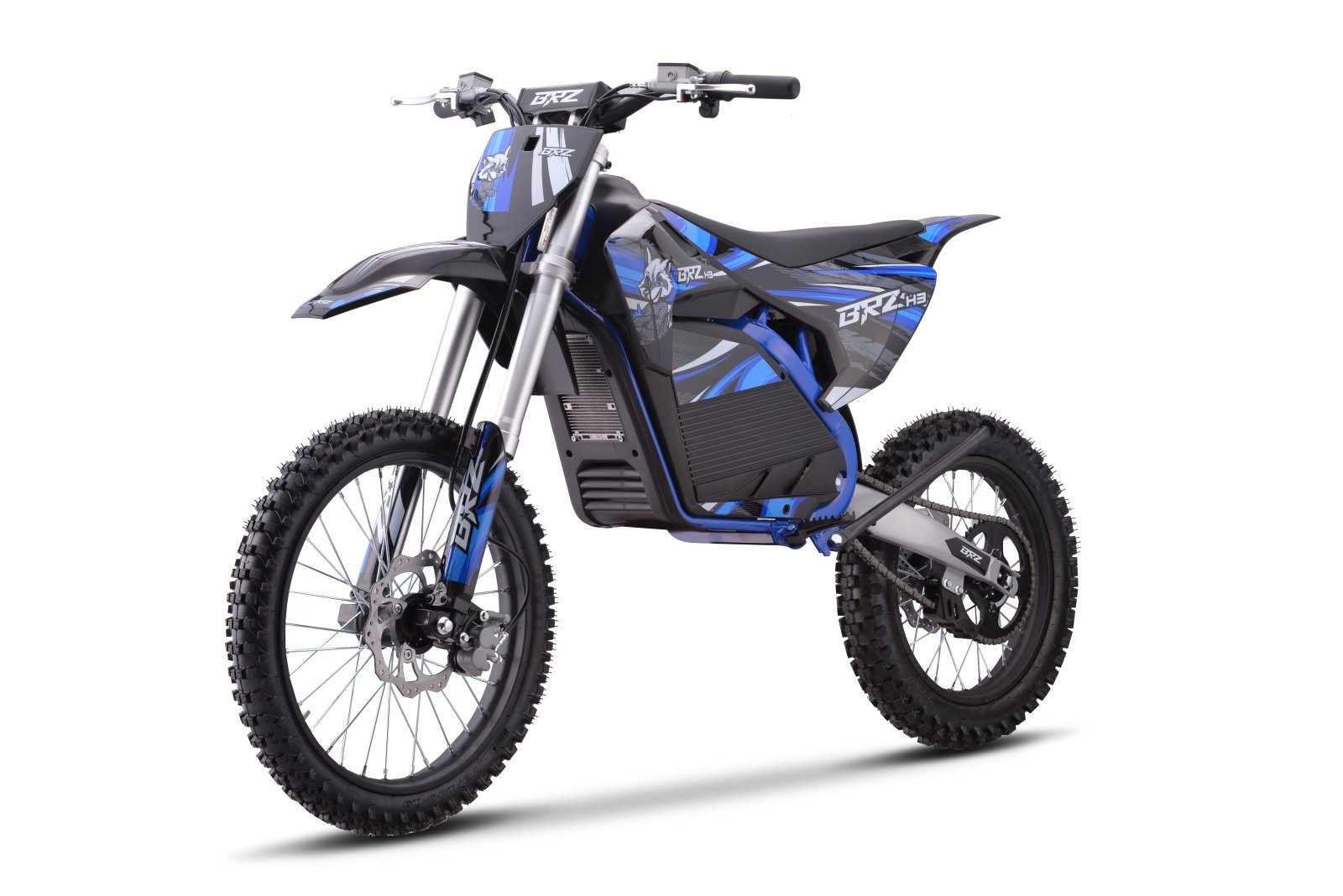
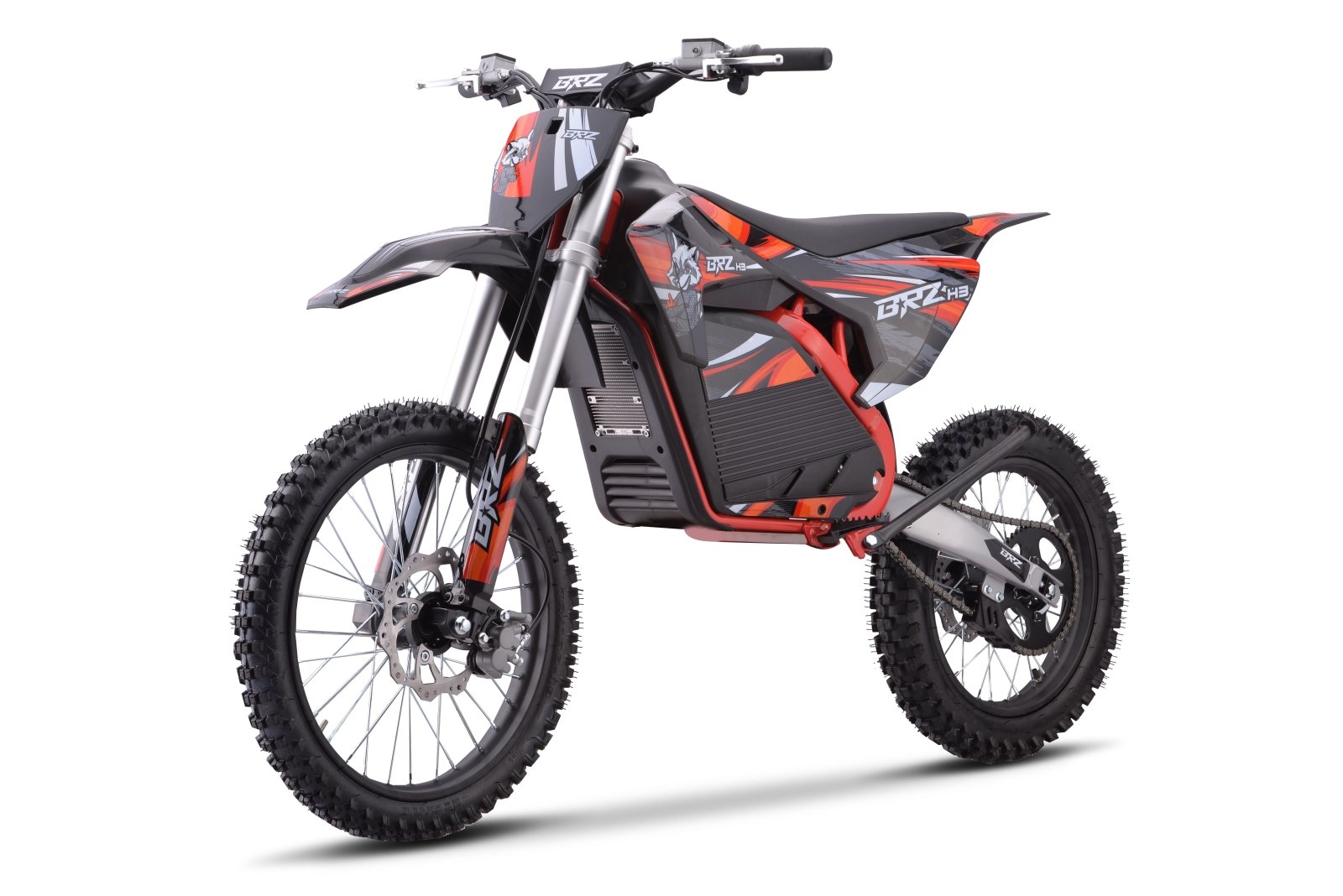
BRZ Neon Thunder Pro 72V 5000W Off-Road Electric Dirt Bike 19/16"

Choose your option
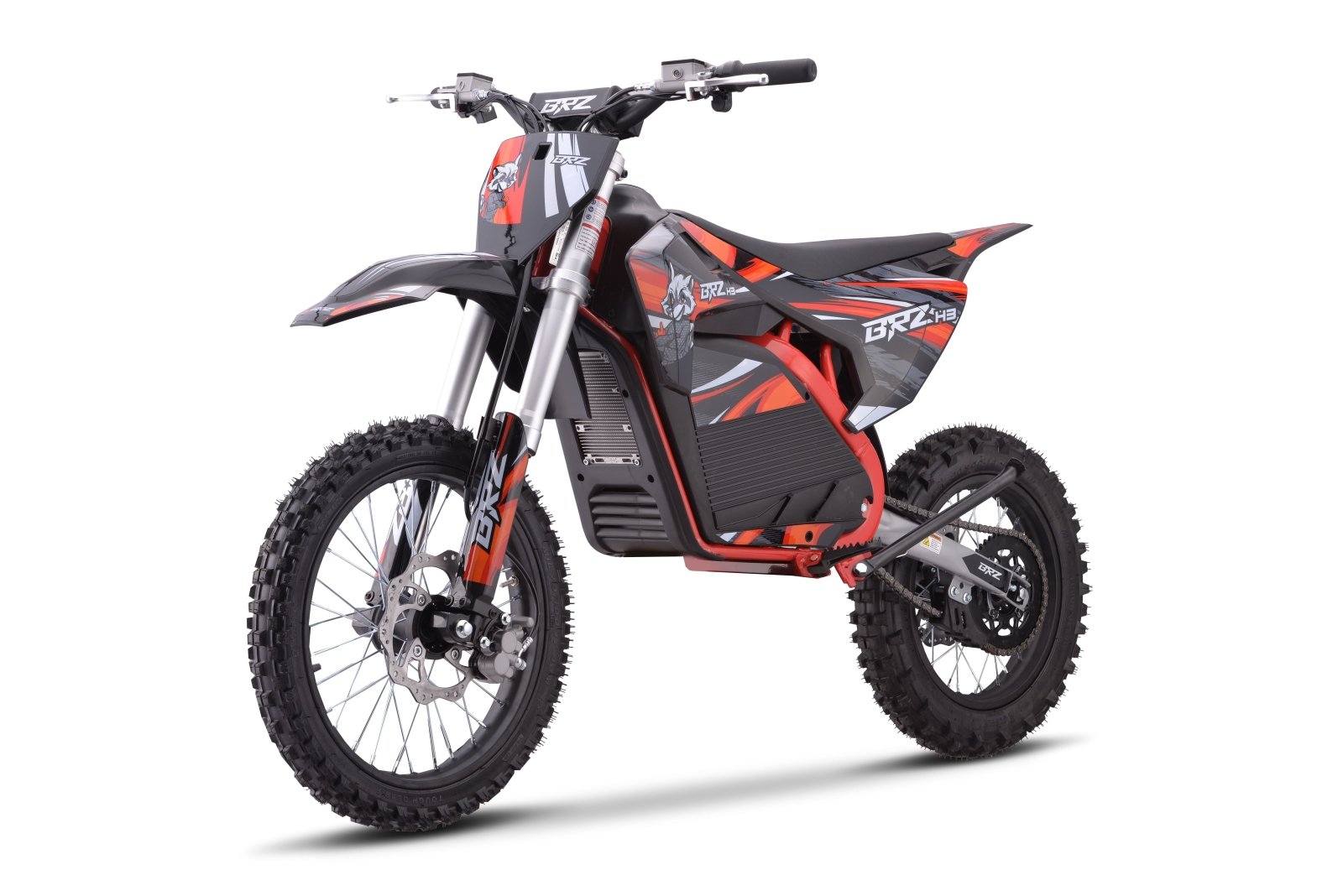
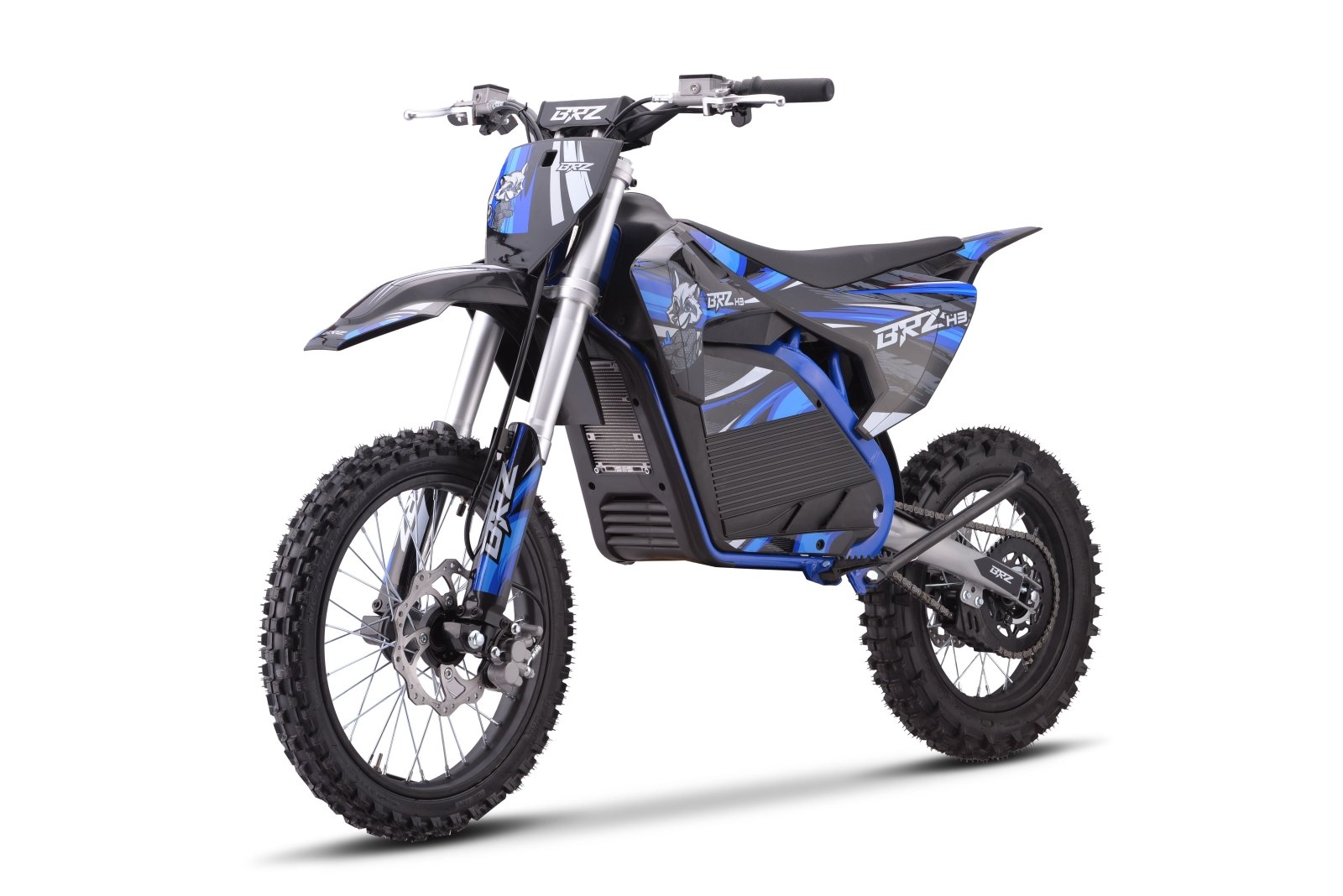
BRZ Neon Thunder Pro 72V 5000W Off-Road Electric Dirt Bike 17/14"

Choose your option
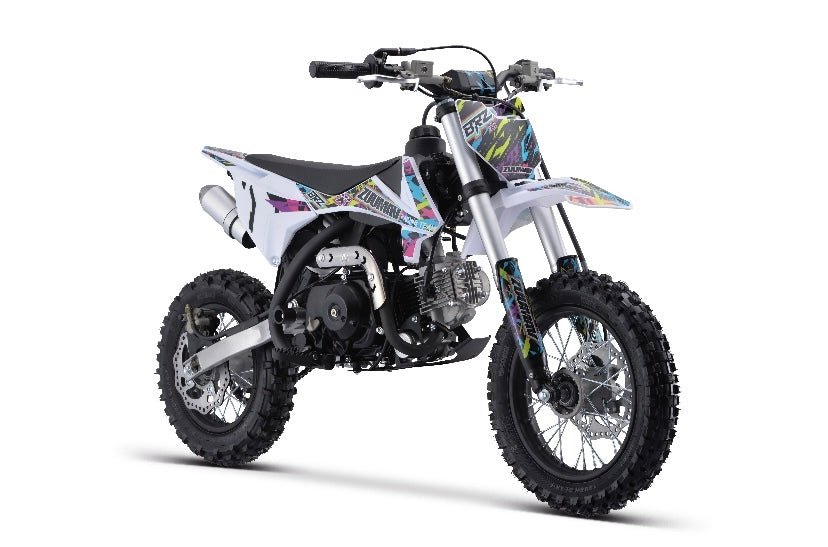
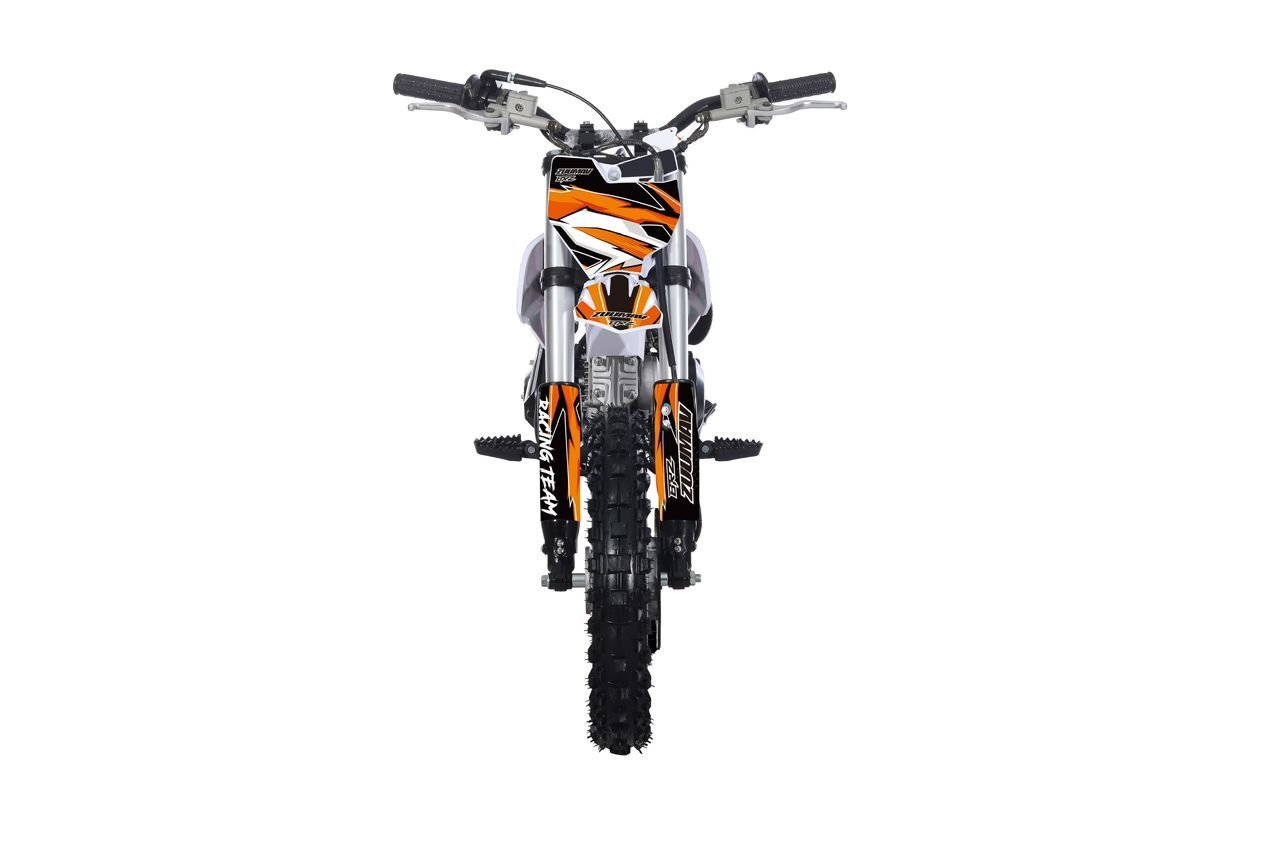
BRZ Kids 70cc Off-Road Dirt Bike Fully Automatic
Choose your option


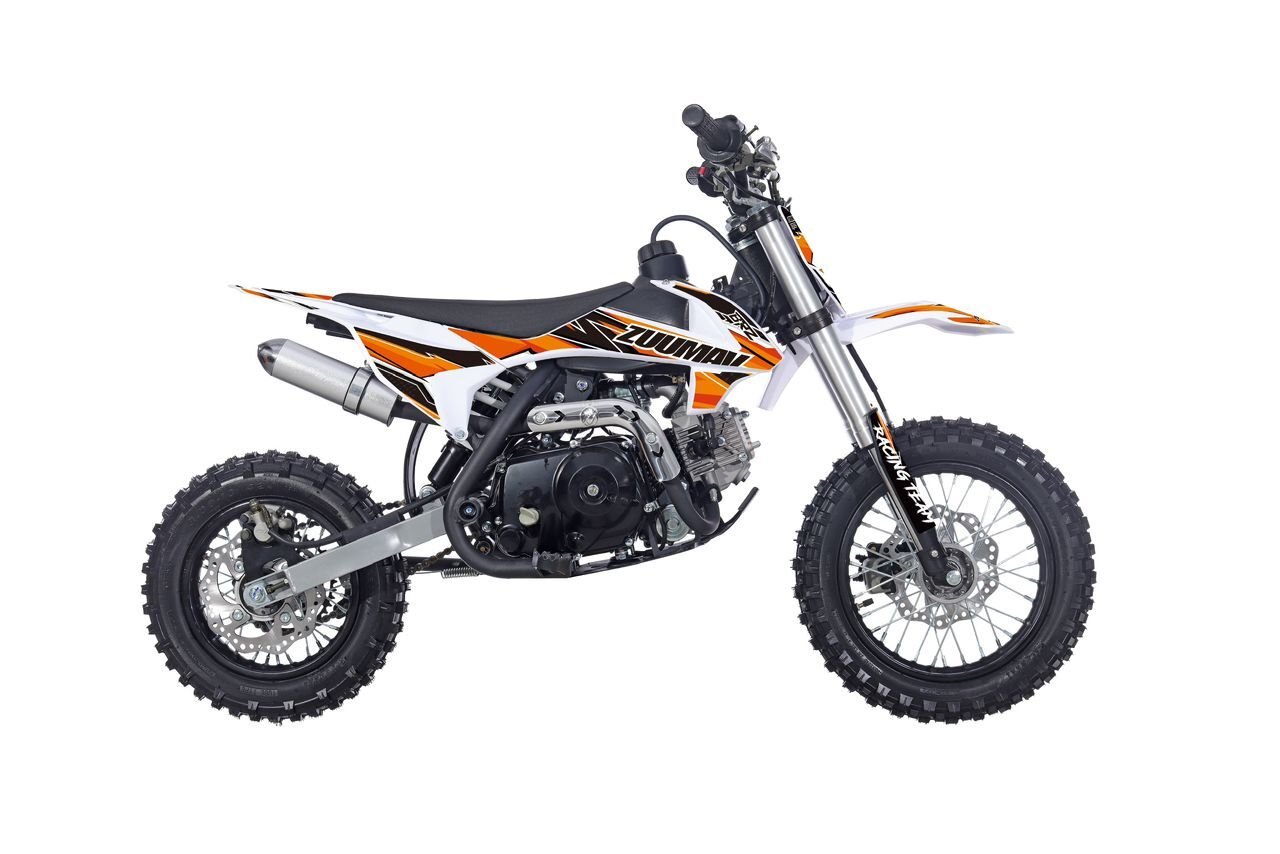
BRZ 110cc Racing Team Pro Semi Auto Pit Bike 14/12"


Choose your option
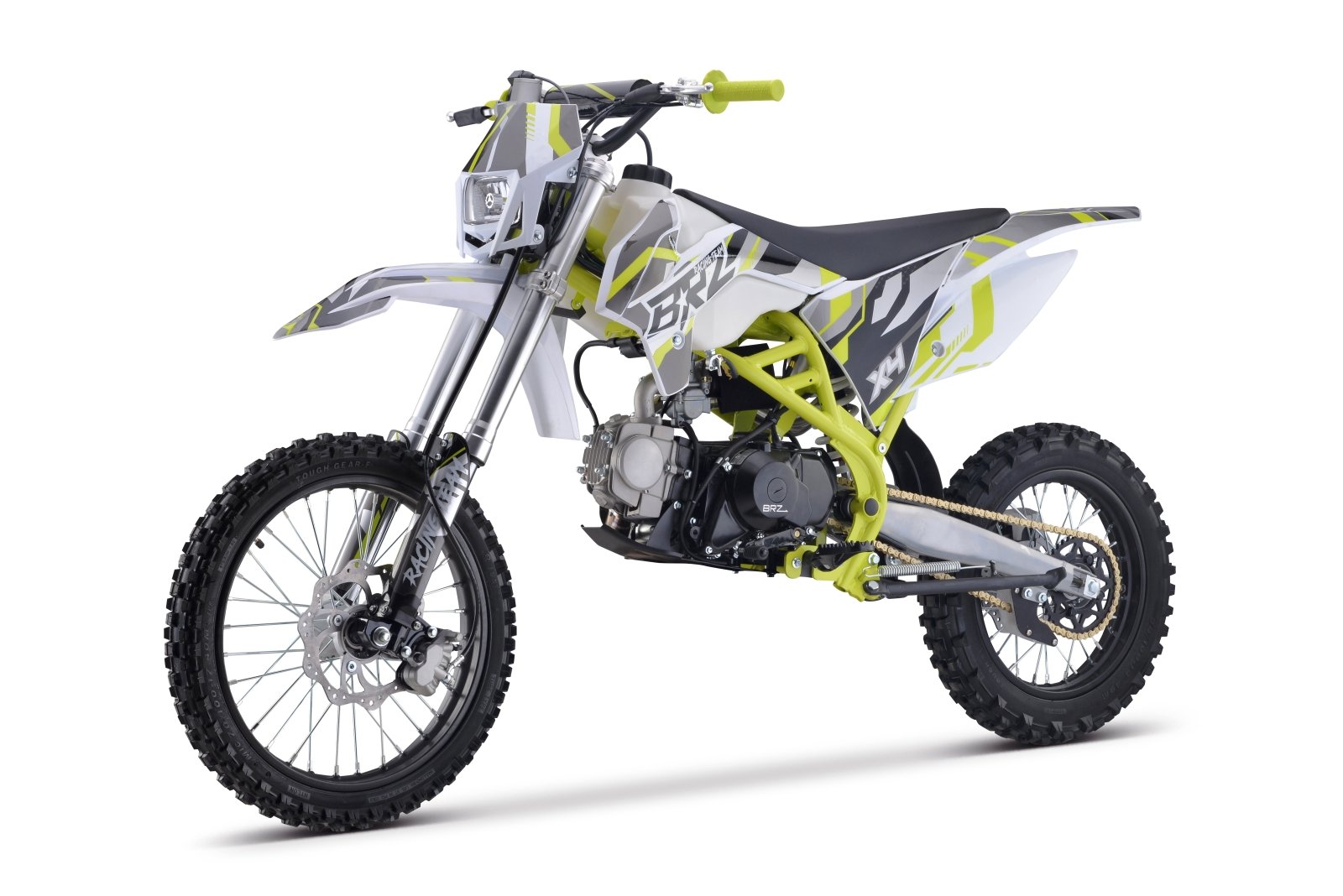
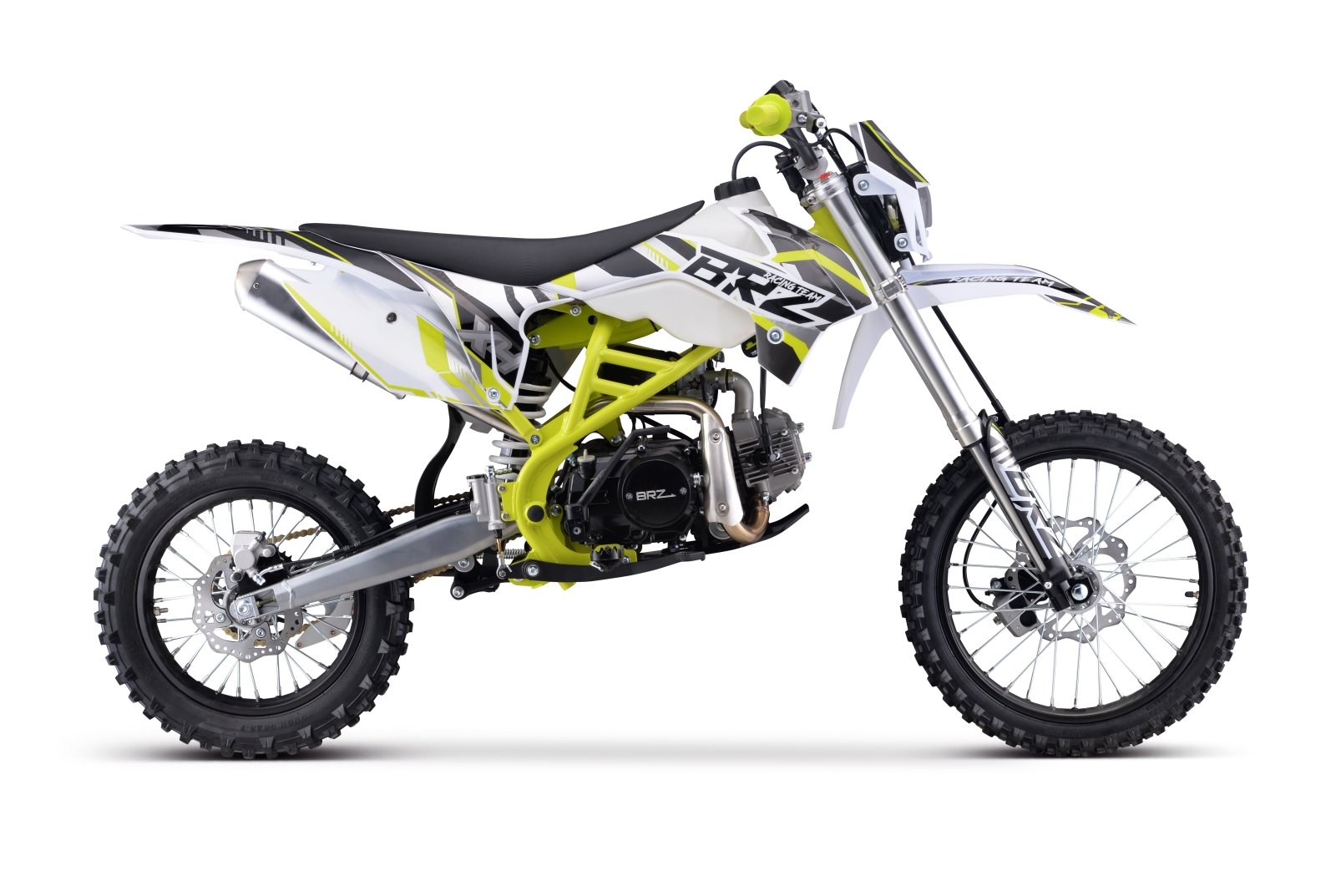
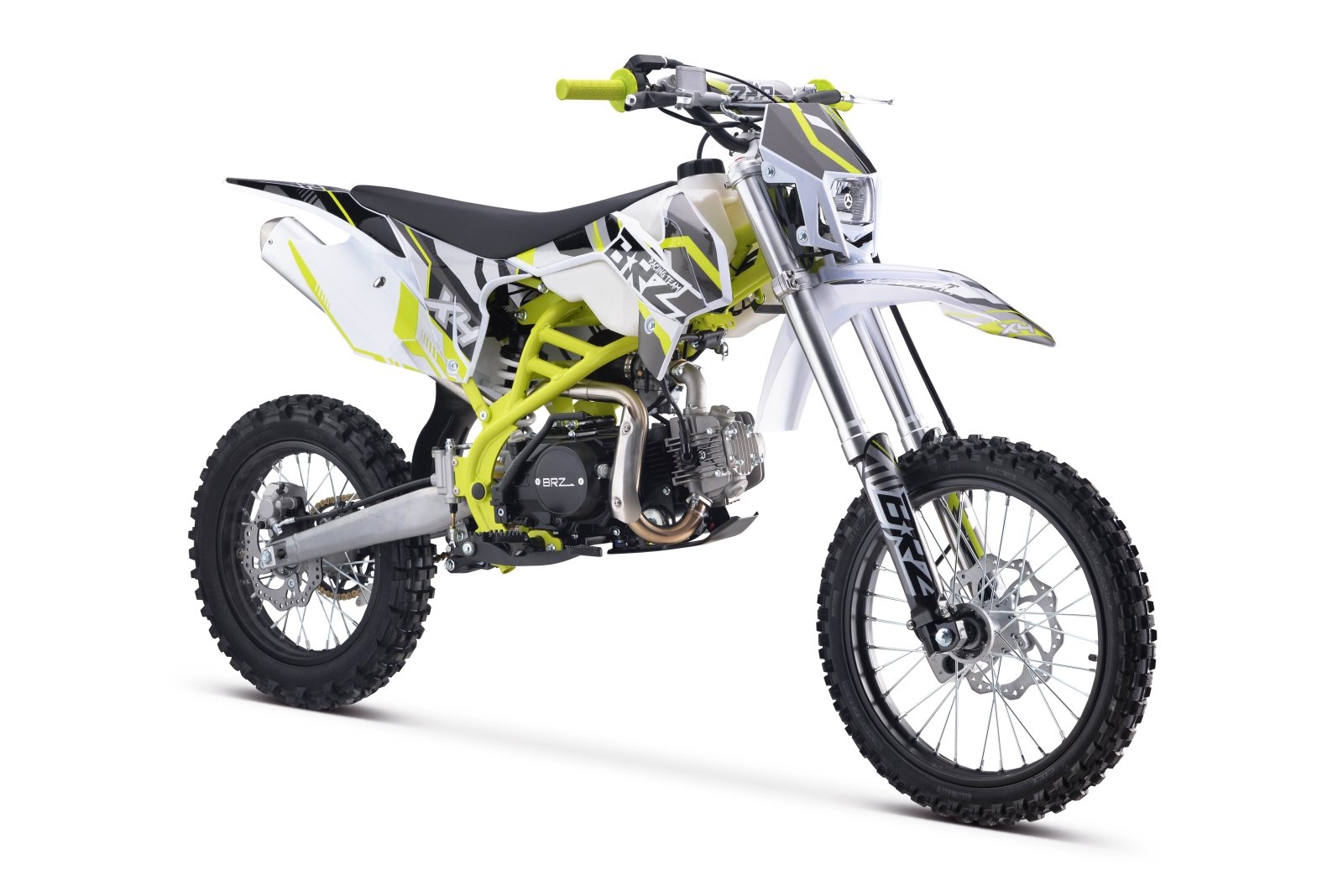
Junior/Adult BRZ Racing Pro 125cc Manual Dirt Bike 17/14” Big Wheel
Choose your option
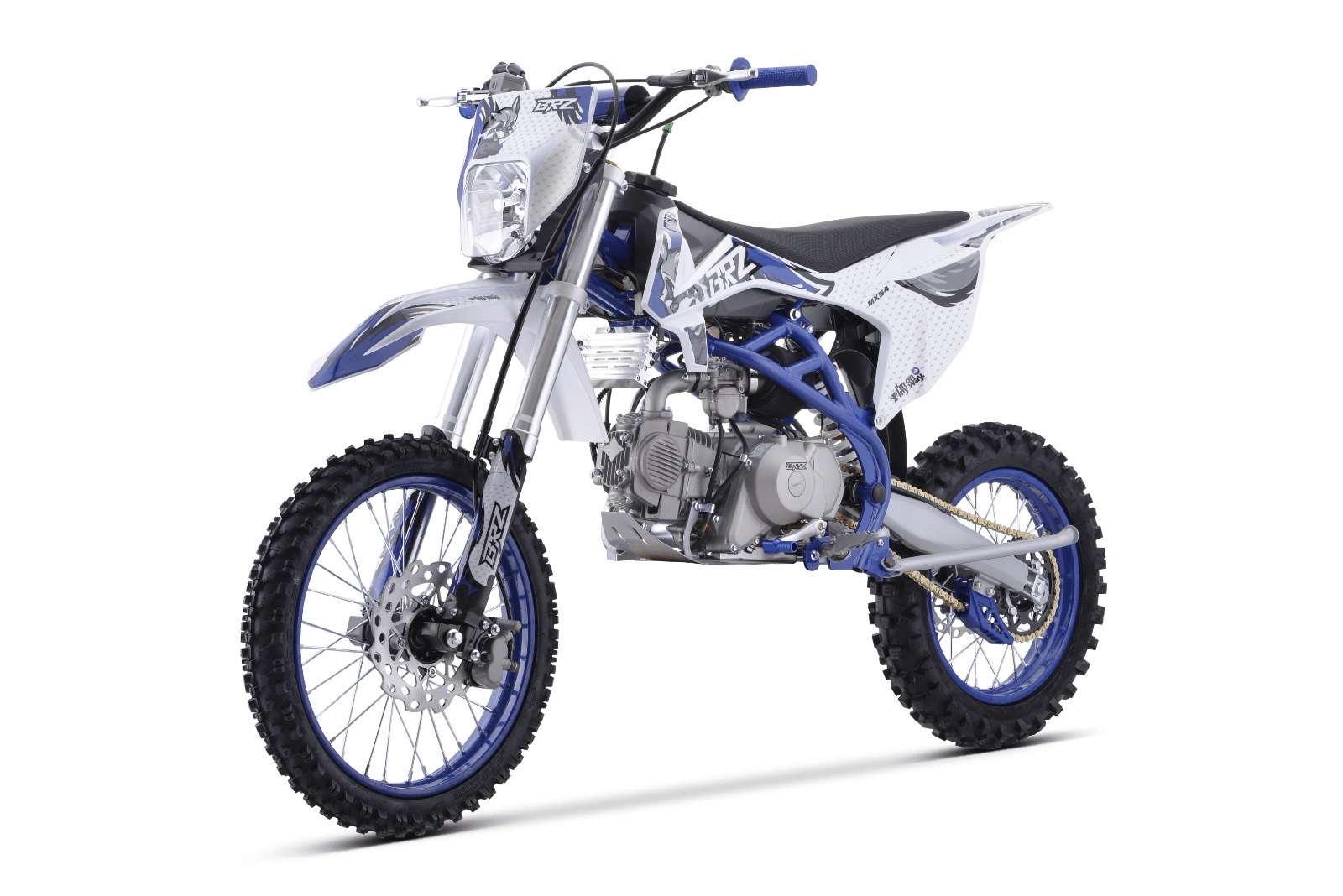
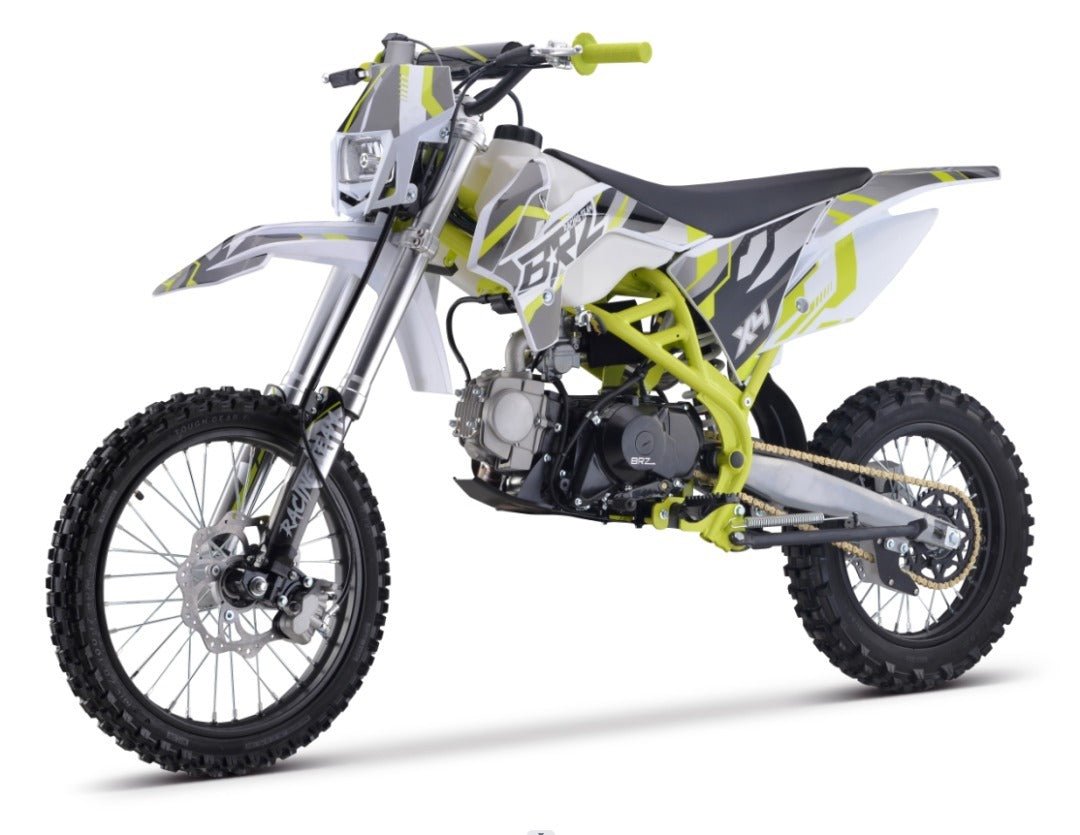
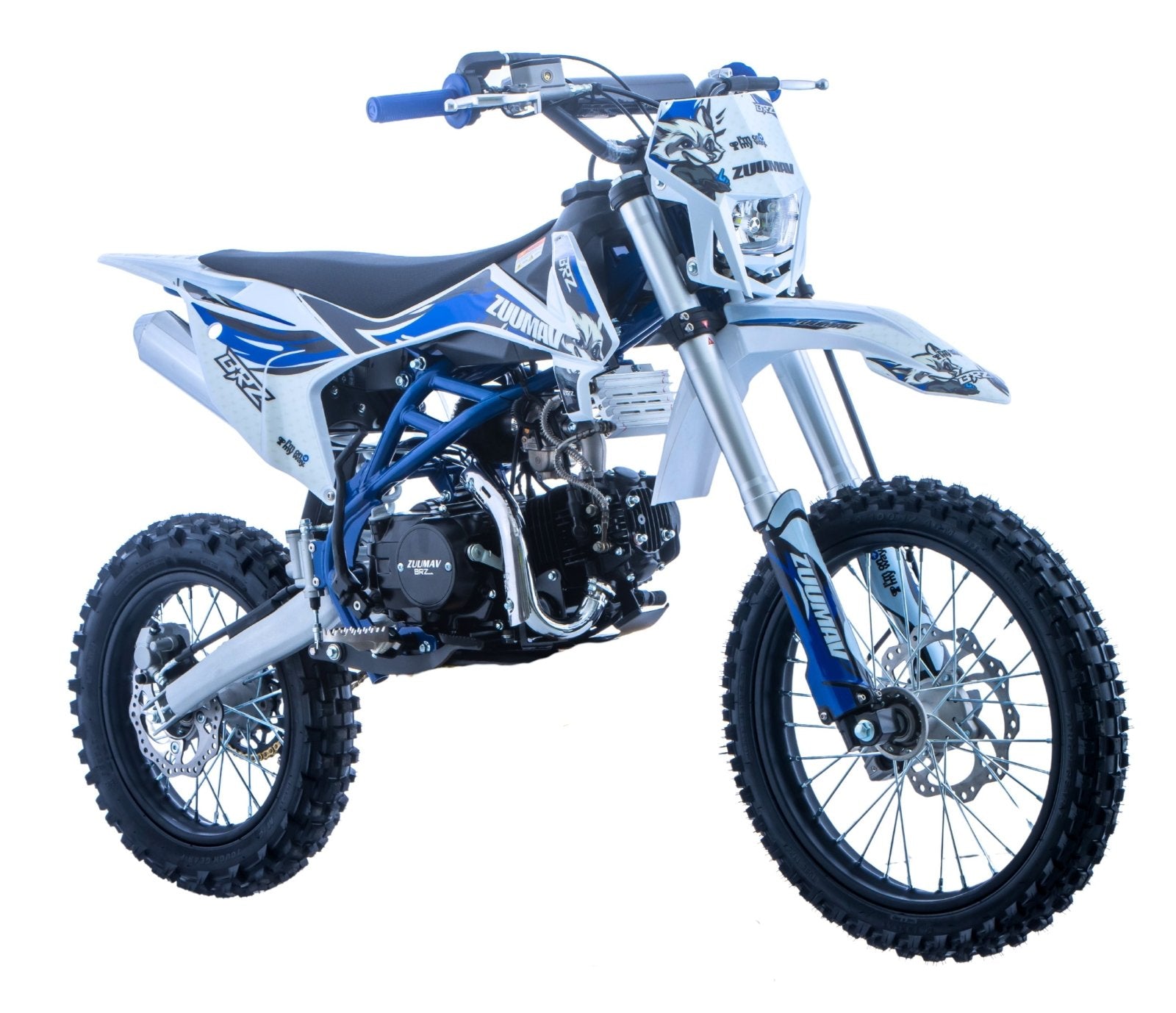
Junior/Adult BRZ Racing Pro 140cc Manual Dirt Bike 17/14" Big Wheel
Choose your option